•Monitoring of bed time and frequency of getting out of bed: Record the total daily bed time and the number of times getting out of bed voluntarily. If the bed time increases sharply or the ability to get out of bed is lost, it indicates that the disability level may have worsened, which can assist in adjusting the care plan.
• Autonomous activity monitoring: Analyze the duration and continuity of actions such as getting up, standing, and walking to assess changes in autonomous activity ability and assist in strengthening care intervention.
2. Rehabilitation Monitoring for Chronic Diseases
•Medication-related behavior monitoring: By tracking post-meal activity trajectories, it is determined whether there is a situation of forgetting to take medication. Combined with medication reminders, the risk of missed doses is reduced.
•Rehabilitation training compliance monitoring: Record the duration and frequency of daily rehabilitation training-related activities. If the preset goals are not met, send reminders and synchronize the information to caregivers to ensure the implementation of the rehabilitation plan.
3. Monitoring of cardiovascular system-related issues
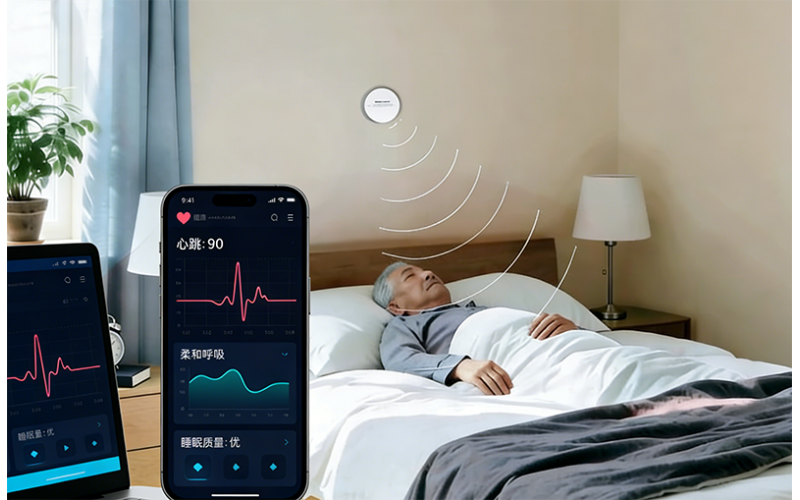
• Abnormal heart rate monitoring: For issues such as arrhythmia, tachycardia/bradycardia, etc., it provides real-time heart rate monitoring, captures sudden increases and decreases and other abnormal fluctuations, warns of risks such as myocardial infarction and atrial fibrillation, and is suitable for patients with hypertension and coronary heart disease.
•Postural heart rate change monitoring: Detects changes in body position such as standing up or lying down, and simultaneously records heart rate changes to determine if postural hypotension causes compensatory heart rate acceleration, preventing dizziness and falls.
4. Monitoring of respiratory system-related issues
•Respiratory rate and rhythm monitoring: For chronic bronchitis, emphysema, asthma and other diseases, monitor respiratory rate and rhythm, identify abnormal conditions such as rapid and shallow breathing, and detect signs of disease aggravation.
•Sleep apnea syndrome monitoring: Capture apnea events during sleep, calculate the duration of each event and the total number of events at night, generate a risk level assessment, and assist in the screening of OSAHS.
•Respiratory difficulty monitoring: By measuring the depth, frequency of breathing and the amplitude of chest and abdominal movements, it assesses the degree of respiratory difficulty during daily activities, suitable for home rehabilitation monitoring of patients with chronic heart failure and pulmonary fibrosis.
5. Monitoring of Sports-related Musculoskeletal System Issues
•Dynamic fall risk monitoring: In addition to real-time detection of falling movements, it analyzes gait stability and the duration of getting up and sitting down actions to predict fall risks and intervene in advance.
•Abnormal posture retention monitoring: Identify abnormal postures such as prolonged squatting or difficulty in standing up from a bent position and record the duration. Trigger an alarm if the duration exceeds the set time limit to prevent muscle spasms and blood pressure fluctuations.
•Activity ability decline monitoring: Statistics on daily activity duration and frequency, comparing with historical data to identify a downward trend in activity ability, assisting in the judgment of issues such as arthritis aggravation and early-stage Parkinson's disease.
6. Monitoring of Urinary System and Metabolic Related Issues
• Nocturia frequency monitoring: Record the number of times and duration of getting up to use the bathroom at night. If the frequency increases sharply, it may indicate an aggravation of urinary tract infection, diabetes or prostate disease.
•Abnormal monitoring of regular urination at fixed times: If there is a delay or absence in the long-term fixed toilet time, combined with activity monitoring to determine whether there is difficulty in urination, to avoid urinary retention caused by holding urine.
7. Monitoring of Sleep and Nervous System Related Issues
•Sleep structure disorder monitoring: Through sleep staging analysis, it records the duration of deep sleep and the number of awakenings, and warns of insomnia or neurological degeneration (such as sleep disorders in the early stage of Alzheimer's disease).
•Abnormal circadian rhythm monitoring: By analyzing the distribution of active and inactive periods each day, if excessive daytime sleepiness and nighttime wakefulness occur, it indicates a disrupted biological clock, which is associated with problems such as depression and cognitive decline.
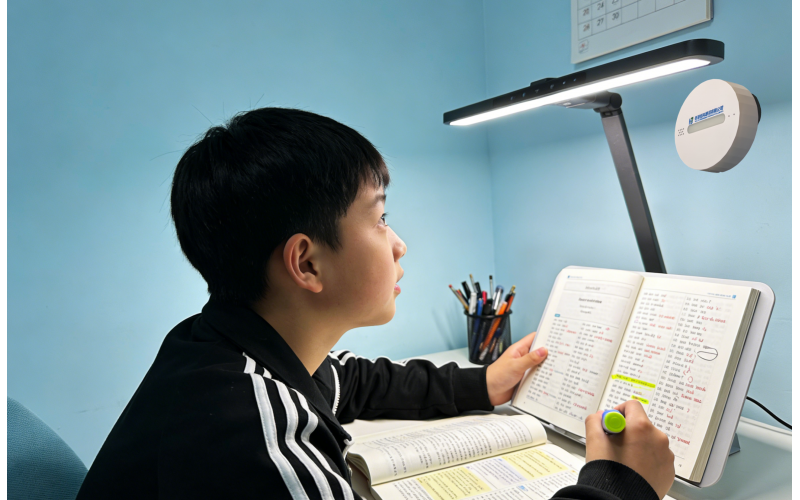
• Learning/Static Activity Focus Duration Monitoring: Focusing on the area around the bedroom desk, it records the duration of each static stay. If the duration is frequently less than 15 minutes or the user gets up more than 3 times within an hour, it will prompt that attention is scattered.
• Quantitative monitoring of aimless hyperactivity: Count the frequency of small-scale dynamic behaviors without clear goals in the bedroom, and quantify the intensity of impulsive behaviors through the disorderliness of behavioral trajectories and the number of sudden turns.
• Task interruption frequency monitoring: For fixed scenarios such as evening work, count the number of interruptions from "static learning" to "dynamic activities". If there are more than two interruptions every 20 minutes, it indicates insufficient attention maintenance ability.
2. Monitoring of the Correlation between Daily Routine and Sleep
• Delayed sleep onset and pre-sleep hyperactivity monitoring: Record the duration from "lying down in bed" to "pre-sleep resting state" after entering the bedroom, monitor hyperactivity on the bed before sleep, and assist in adjusting the pre-sleep routine;
• Fragmented sleep monitoring at night: Detect the number of times one turns over during the night, brief sitting-up behaviors, count the frequency of awakenings, and analyze the impact of fragmented sleep on attention the next day;
• Monitoring of circadian rhythm stability: Record the fluctuation range of the time when one goes to bed and gets up each day. If the difference is more than 1.5 hours, it indicates a disrupted sleep schedule.
3. Monitoring of Emotion and Behavior Control
• Emotional hyperactivity behavior monitoring: Capturing changes in behavioral amplitude and abnormal breathing rates, identifying increased hyperactivity caused by emotional fluctuations, and assisting parents in timely guidance.
• Sedentary tolerance monitoring: Record the single tolerance duration of sitting still in the bedroom scenario. If it frequently falls below the standard for the same age group, it indicates insufficient behavioral control ability and can assist in designing targeted training.
• Respiratory rate and rhythm monitoring: For chronic bronchitis, emphysema, asthma and other diseases, monitor respiratory rate and rhythm, identify abnormal conditions such as rapid and shallow breathing, and detect signs of disease aggravation.
• Sleep apnea syndrome monitoring: Capture apnea events during sleep, calculate the duration of each event and the total number of events at night, generate a risk level assessment, and assist in the screening of OSAHS.
• Respiratory difficulty monitoring: By measuring the depth, frequency of breathing and the amplitude of chest and abdominal movements, it assesses the degree of respiratory difficulty during daily activities, suitable for home rehabilitation monitoring of patients with chronic heart failure and pulmonary fibrosis.
2.Monitoring of cardiovascular system-related issues
• Abnormal heart rate monitoring: For issues such as arrhythmia, tachycardia/bradycardia, etc., it provides real-time heart rate monitoring, captures sudden increases and decreases and other abnormal fluctuations, warns of risks such as myocardial infarction and atrial fibrillation, and is suitable for patients with hypertension and coronary heart disease.
• Postural heart rate change monitoring: Detects changes in body position such as standing up or lying down, and simultaneously records heart rate changes to determine if postural hypotension causes compensatory heart rate acceleration, preventing dizziness and falls.
3.Monitoring of urinary system and metabolism-related issues
• Nocturia frequency monitoring: Record the number of times and duration of getting up to use the bathroom at night. If the frequency increases sharply, it may indicate an aggravation of urinary tract infection, diabetes or prostate disease.
• Abnormal monitoring of regular urination at fixed times: If there is a delay or absence in the long-term fixed toilet time, combined with activity monitoring to determine whether there is difficulty in urination, to avoid urinary retention caused by holding urine.
4.Monitoring of sleep and neurological system-related issues
• Sleep structure disorder monitoring: Through sleep staging analysis, it records the duration of deep sleep and the number of awakenings, and warns of insomnia or neurodegeneration.
• Abnormal circadian rhythm monitoring: By analyzing the distribution of active and inactive periods each day, if excessive daytime sleepiness and nighttime wakefulness occur, it indicates a disrupted biological clock, which is associated with problems such as depression and cognitive decline.

 简体中文
简体中文  繁体中文
繁体中文  English