 简体中文
简体中文  繁体中文
繁体中文  English
Special Monitoring Project for the teenagers

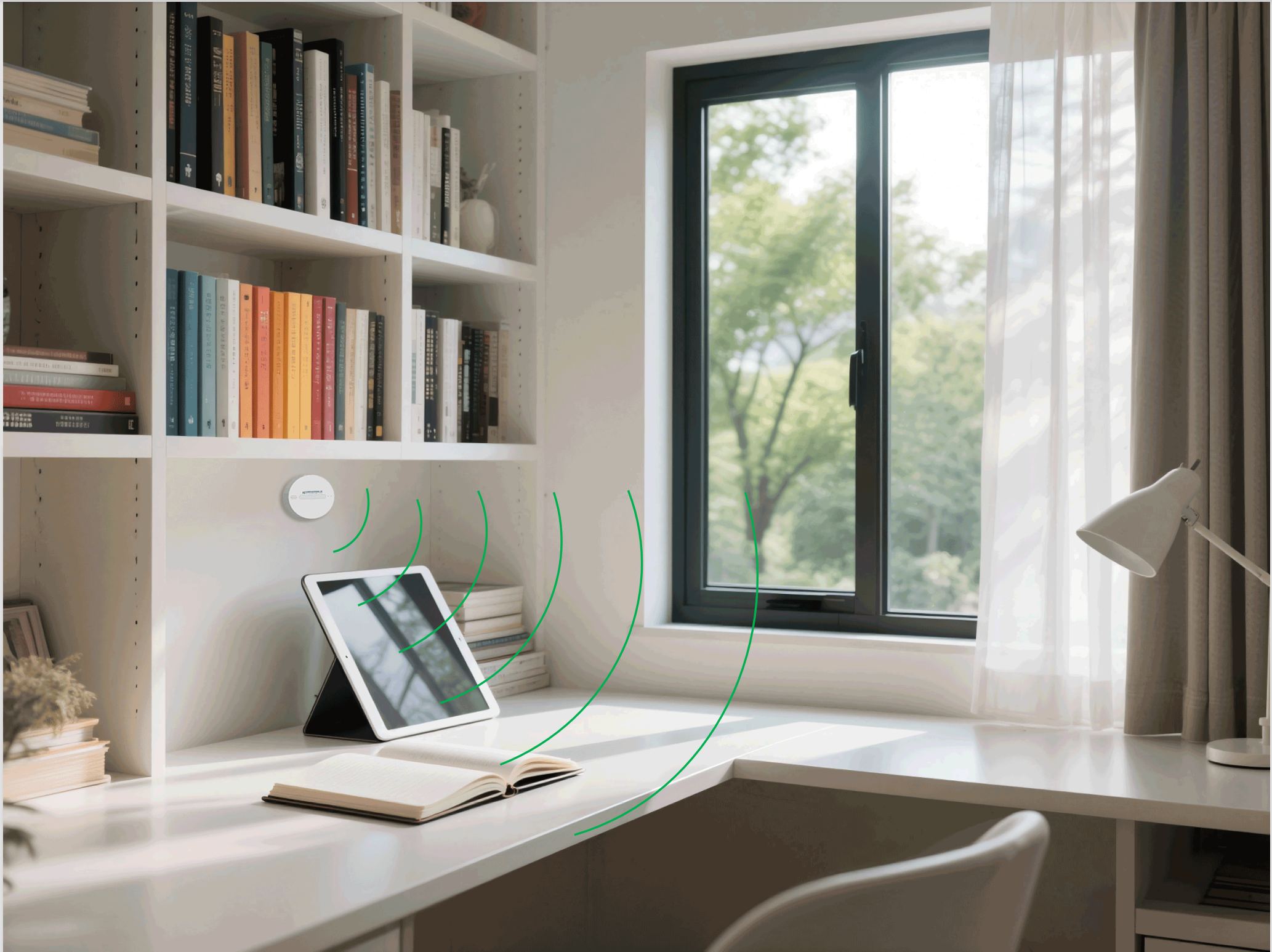
1.Attention and behavioral focus monitoring
• Learning/Static Activity Focus Duration Monitoring: Focusing on the area around the bedroom desk, it records the duration of each static stay. If the duration is frequently less than 15 minutes or the user gets up more than 3 times within an hour, it will prompt that attention is scattered.
• Quantitative monitoring of aimless hyperactivity: Count the frequency of small-scale dynamic behaviors without clear goals in the bedroom, and quantify the intensity of impulsive behaviors through the disorderliness of behavioral trajectories and the number of sudden turns.
• Task interruption frequency monitoring: For fixed scenarios such as evening work, count the number of interruptions from "static learning" to "dynamic activities". If there are more than two interruptions every 20 minutes, it indicates insufficient attention maintenance ability.
2. Monitoring of the Correlation between Daily Routine and Sleep
• Delayed sleep onset and pre-sleep hyperactivity monitoring: Record the duration from "lying down in bed" to "pre-sleep resting state" after entering the bedroom, monitor hyperactivity on the bed before sleep, and assist in adjusting the pre-sleep routine;
• Fragmented sleep monitoring at night: Detect the number of times one turns over during the night, brief sitting-up behaviors, count the frequency of awakenings, and analyze the impact of fragmented sleep on attention the next day;
• Monitoring of circadian rhythm stability: Record the fluctuation range of the time when one goes to bed and gets up each day. If the difference is more than 1.5 hours, it indicates a disrupted sleep schedule.
3. Monitoring of Emotion and Behavior Control
• Emotional hyperactivity behavior monitoring: Capturing changes in behavioral amplitude and abnormal breathing rates, identifying increased hyperactivity caused by emotional fluctuations, and assisting parents in timely guidance.
• Sedentary tolerance monitoring: Record the single tolerance duration of sitting still in the bedroom scenario. If it frequently falls below the standard for the same age group, it indicates insufficient behavioral control ability and can assist in designing targeted training.